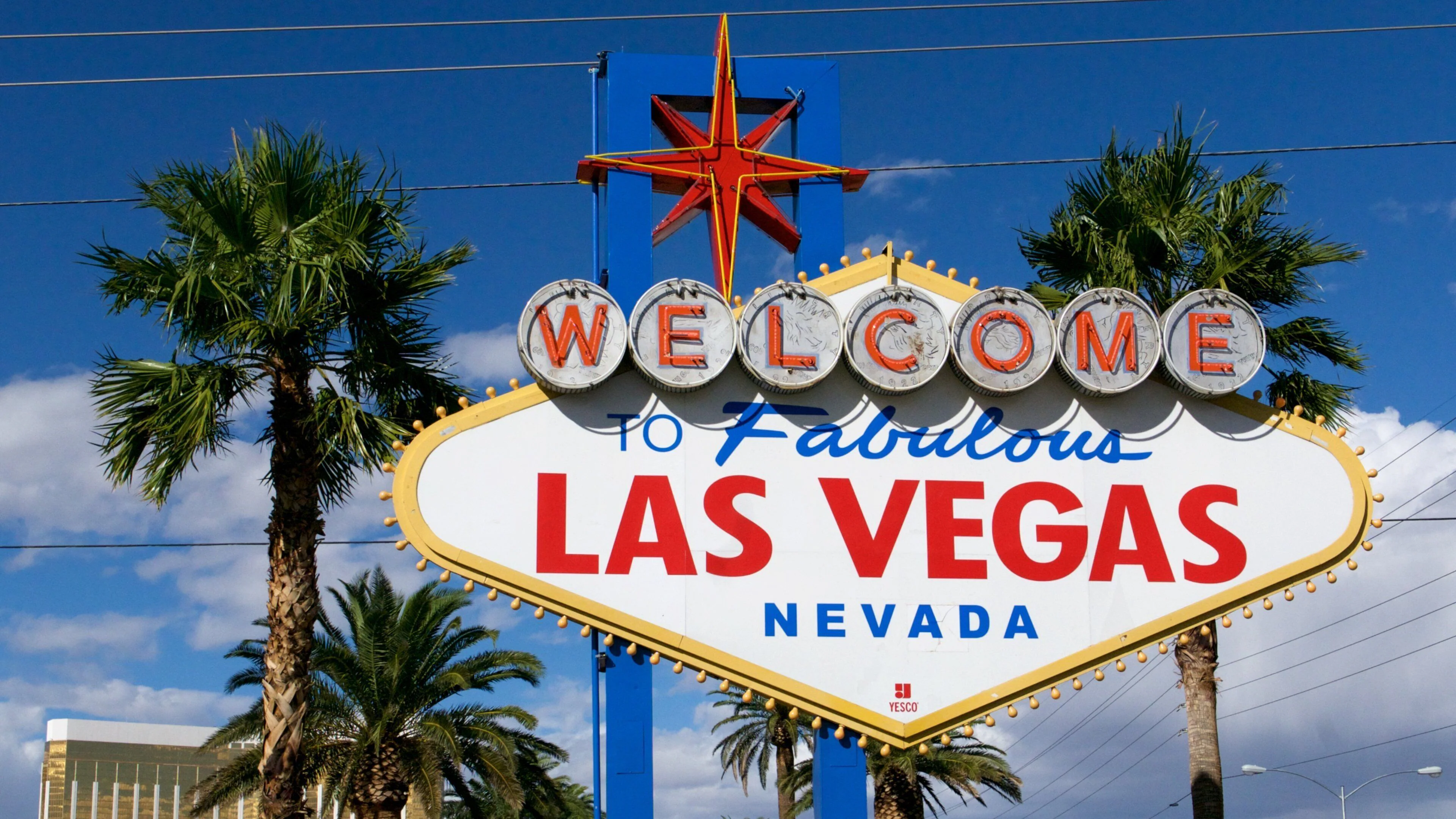
Key Districts and Venue Clusters in the Las Vegas Valley
Operational Overview of the Las Vegas Convention Center
The Las Vegas Convention Center anchors the primary convention corridor and hosts a steady sequence of major industry events throughout the year. Planning exhibits for this facility requires attention to its role in accommodating broad professional audiences seeking targeted solutions within expansive environments. Coordination focuses on aligning booth scale, sight lines, and interaction zones with the venue's established traffic patterns and multi-hall layout.
Adjacent districts such as Winchester and Paradise provide supporting contexts that allow exhibitors to extend programming through nearby resort connections. Strategies developed for the Convention Center District often incorporate considerations for rapid attendee movement between sessions and exhibit areas, ensuring that custom stands facilitate efficient engagement without disrupting overall show flow.
As a central resource for the Las Vegas NV market, planning emphasizes how this venue's infrastructure influences everything from material specifications to scheduling buffers needed between consecutive events. This district-level focus helps differentiate programs from those suited to smaller or more thematic venues elsewhere in the valley.
- Alignment with high-volume attendee circulation
- Integration potential with neighboring Paradise and Winchester properties
- Emphasis on technical compatibility with convention infrastructure
The Venetian Expo and Central Strip Venue Coordination
The Venetian Expo connects directly with resort amenities, creating a distinct environment where exhibits benefit from smooth transitions between display areas and hospitality functions. Planning for this venue prioritizes designs that complement its sophisticated aesthetic while meeting the technical expectations of events hosted in tandem with adjacent Strip properties.
Caesars Forum Conference Center and Virgin Hotels Las Vegas share the central corridor's operational tempo, where dense event calendars demand precise timing and adaptability. Coordination resources address how these locations support both large expositions and more selective conferences, allowing exhibitors to refine their presence according to each property's particular strengths.
District differentiation here centers on the integrated nature of Strip venues versus standalone convention halls. Effective strategies account for the proximity of multiple facilities, enabling multi-venue campaigns that maintain visual and functional consistency across the central Las Vegas area.
Our planning guidance highlights the importance of understanding each venue's unique contribution to the overall attendee experience along this segment of the Strip.
Mandalay Bay Convention Center and South Strip Differentiation
Positioned at the southern reach of the Las Vegas Strip, Mandalay Bay Convention Center serves events that draw on both the energy of the resort corridor and the specific demographics associated with South Strip properties. Exhibit coordination for this district incorporates logistical details such as access points and power considerations that differ from those in the central convention cluster.
The operational profile here supports a blend of expansive trade shows and targeted conferences, requiring stands that balance visibility within large halls with opportunities for intimate demonstrations. Planning takes into account how South Strip events interact with the broader valley calendar, including connections to nearby Enterprise and Spring Valley locations.
By focusing on these venue-specific attributes, exhibitors can develop programs that capitalize on the distinct flow and atmosphere of the southern corridor while maintaining alignment with overall market objectives.
- South Strip logistical and access considerations
- Audience profiles unique to Mandalay Bay events
- Opportunities for integration with Enterprise NV programming
Summerlin Meeting District and Western Valley Planning
Summerlin has emerged as a vital secondary hub with the Summerlin Meeting District offering facilities that appeal to corporate and regional events distinct from the primary Strip and convention center activity. Coordination in this area involves adapting to the modern, community-oriented character of Summerlin NV, Summerlin South, and Summerlin West while addressing travel patterns from central districts.
Venues in this western sector often host programs that benefit from a more focused environment removed from the highest density of Las Vegas tourism. Planning resources help map these differences, ensuring exhibits resonate with the professional audiences drawn to the upscale infrastructure and planned community setting.
This district's differentiation lies in its balance of accessibility and separation from the core convention corridor, creating targeted opportunities for brands seeking deeper engagement within specialized calendars. Strategies frequently incorporate consideration for adjacent Southwest Las Vegas and Enterprise corridors to broaden reach.
- Adaptation to Summerlin's professional community focus
- Travel and connectivity with central Las Vegas venues
- Distinctions from high-density Strip event environments
Henderson, Green Valley Ranch, and Lake Las Vegas Venues
Facilities such as Green Valley Ranch Resort & Spa and Hilton Lake Las Vegas Resort & Spa anchor event activity in the Henderson corridor and Lake Las Vegas area. These venues support conferences and exhibitions that leverage resort settings and scenic surroundings, requiring coordination that respects their distance from the primary Strip and Convention Center District.
Planning for Henderson NV emphasizes the value of more intimate or specialized gatherings where attendees appreciate the separation from busier zones. Similar attributes apply to properties like Alexis Park All Suite Resort and Westgate Las Vegas Resort & Casino, each contributing distinct capabilities to the valley's diverse options.
Operational detail includes accounting for inter-district movement between Henderson, the Arts District, Downtown Las Vegas, and core convention areas. This ensures comprehensive strategies that connect satellite communities with central market activity while honoring each location's individual profile.
The broader service area encompassing Anthem, Inspirada, Seven Hills, and Whitney further extends planning considerations to adjacent satellite towns that occasionally host complementary programming.
Arts District, Downtown Las Vegas, and Neighborhood-Level Nuances
The Arts District and Downtown Las Vegas have developed distinct identities for events that draw on creative, urban, and innovative themes. These neighborhoods support niche exhibitions and technology showcases that differ in scale and audience from the large industry events at the Las Vegas Convention Center or Venetian Expo.
Coordination in these districts prioritizes alignment with revitalized urban settings and the specific attendee expectations that accompany them. Planning addresses logistical elements unique to Downtown and the Arts District while integrating with nearby Paradise, Winchester, and central Strip resources for multi-location campaigns.
Additional neighborhoods including North Las Vegas, Centennial Hills, Sunrise Manor, and Boulder City contribute to the overall valley footprint. Primm and Jean represent further satellite considerations for programs that may connect with the primary market. Each area adds layers of differentiation that inform precise exhibit strategies.
- Creative alignment for Arts District and Downtown events
- Urban operational details and audience targeting
- Integration across satellite communities and neighborhoods
Integrated Planning for the Full Las Vegas Valley Calendar
The continuous rotation of events across Las Vegas NV demands forward coordination that anticipates overlaps between venues and districts. From Fontainebleau Las Vegas to the full roster of convention and resort facilities, each property contributes to a calendar that rewards preparation attuned to specific operational rhythms.
Authoritative planning incorporates the collective attributes of the listed venues to help exhibitors allocate resources effectively across the Strip, Convention Center District, Summerlin Meeting District, Henderson Lake Las Vegas Corridor, and additional recommended locations. This approach supports both single-venue participation and broader campaigns spanning Paradise, Enterprise, Spring Valley, and beyond.
By maintaining focus on venue specificity and district differentiation, coordination resources equip organizations to maximize presence within the demanding Las Vegas environment while avoiding generic solutions that fail to address local nuances.
- Calendar synchronization across multiple districts
- Resource allocation according to venue scale and type
- Emphasis on measurable outcomes for valley-wide programs
Frequently Asked Questions About Las Vegas NV Exhibit Planning
Q: Which major venues define trade show activity in Las Vegas NV?
Primary venues include the Las Vegas Convention Center, the Venetian Expo, Mandalay Bay Convention Center Resort and Casino, Caesars Forum Conference Center, Fontainebleau Las Vegas, Westgate Las Vegas Resort & Casino, Alexis Park All Suite Resort, Virgin Hotels Las Vegas, Green Valley Ranch Resort & Spa, and Hilton Lake Las Vegas Resort & Spa.
Q: Why does district differentiation matter for Las Vegas trade show coordination?
Districts such as the Las Vegas Strip, Convention Center District, Summerlin, Henderson, Paradise, Enterprise, and the Arts District each present unique venue characteristics, attendee profiles, logistical requirements, and event scales that influence effective exhibit strategy and outcomes.
Q: How should exhibitors approach planning across the broader Las Vegas service area?
Planning begins with the core convention corridor and Strip, then extends to Summerlin Meeting District, Henderson Lake Las Vegas Corridor, Downtown, and satellite communities while respecting the distinct operational parameters of each recommended location.
Q: What operational details receive priority in Las Vegas venue coordination?
Priority details include alignment with venue-specific infrastructure, attendee circulation patterns, scheduling constraints between consecutive events, and the varying technical and spatial requirements found across resort-based and convention facilities.
Q: Can planning resources address events in both central and outlying Las Vegas districts?
Yes. Coordination encompasses the full valley footprint including central districts, Summerlin, Henderson, the Arts District, North Las Vegas, Centennial Hills, and adjacent satellite towns to support integrated programs where appropriate.
Q: What distinguishes Summerlin and Henderson venues from Strip and Convention Center properties?
Summerlin and Henderson venues typically offer more focused, resort-oriented, or community-integrated environments that contrast with the high-density, high-volume characteristics of central Strip resorts and the Las Vegas Convention Center.