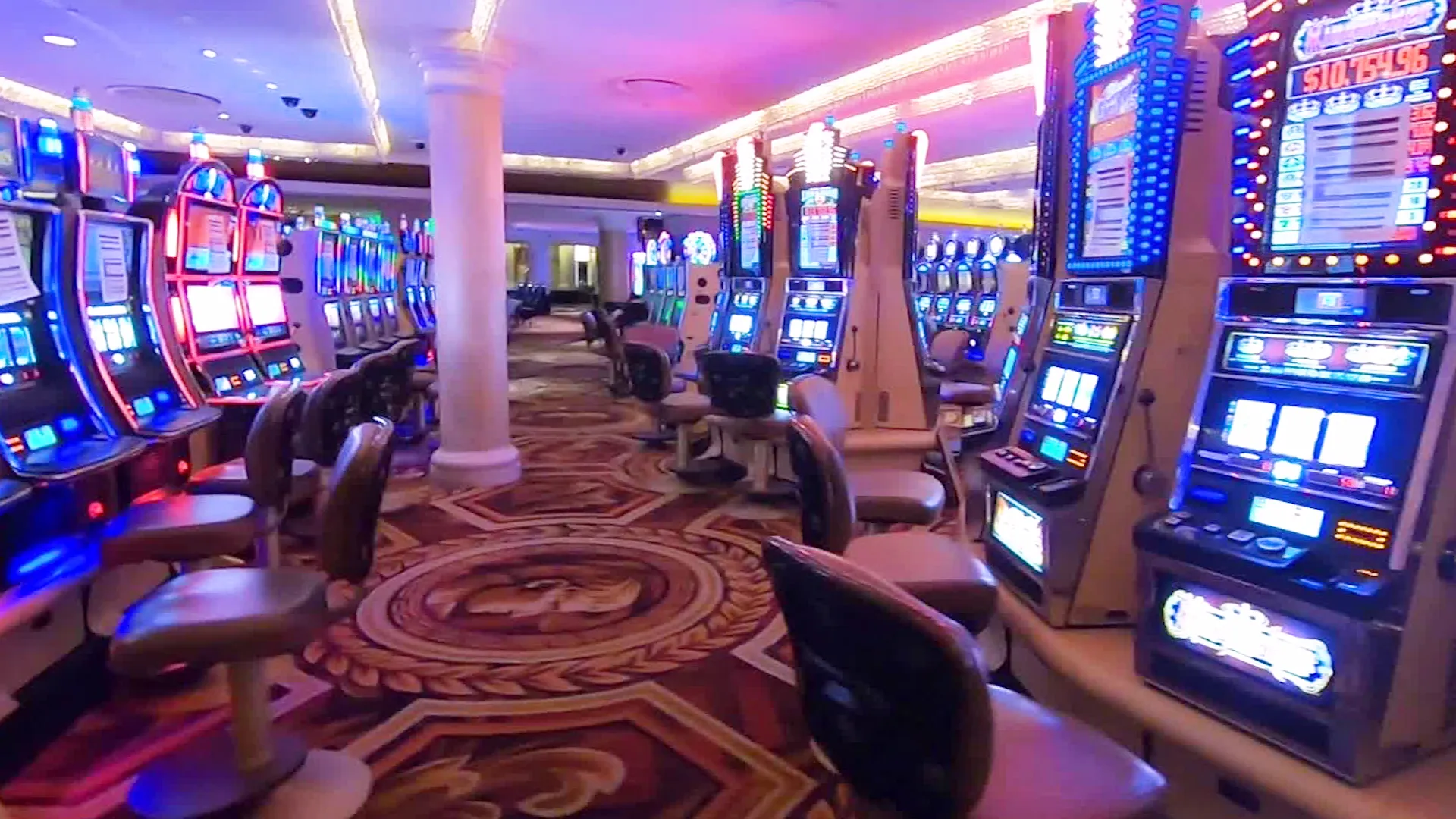
Essential Focus Areas for Caesars Palace Trade Show Coordination
- Precise analysis of resort campus layout and flow patterns
- Integration strategies with Caesars Forum Conference Center
- District-specific tactics unique to Strip Central positioning
- Timeline development accounting for overlapping resort operations
- Design calibration to match opulent venue aesthetics
- Synchronization with events at LVCC and Venetian Expo
- Metrics frameworks for measuring resort-based exhibit performance
Positioning Your Exhibit Within the Caesars Palace Experience
Caesars Palace brings together legendary status on the Las Vegas Strip with functional meeting infrastructure that supports both intimate gatherings and larger coordinated exhibitions. Its placement in the Strip Central district creates natural synergies with surrounding properties while differentiating it from the purpose-built scale found in the Convention Center District. Exhibitors benefit from the venue's reputation for excellence, but success depends on designs and programming that respect the palace's architectural themes and the expectations of attendees drawn to its luxury positioning.
Unlike dedicated convention facilities, resort campuses like Caesars Palace manage constant guest movement alongside event activities. This requires early mapping of primary pathways, elevator access points, and transition zones between the main palace and adjacent facilities. Coordination efforts should prioritize clear delineation between trade show spaces and public areas to maintain both security and the uninterrupted elegance that defines the property. The audience profile here often includes executives who value discretion and elevated experiences, making booth messaging and interactivity choices particularly important.
Strategic planning also involves recognizing how Caesars Palace events frequently align with broader industry calendars. When major conventions occur at the Las Vegas Convention Center or the Venetian Expo, Caesars Palace can function as a complementary hub for targeted receptions, private demonstrations, or overflow programming. This interconnected approach maximizes attendee dwell time across the Strip Central area and creates opportunities for more meaningful engagements than isolated booth presence alone would allow.
- Map all attendee and material flow pathways in advance
- Align exhibit presence with known attendee demographics
- Identify complementary programming windows with nearby venues
- Balance brand expression with venue architectural sensitivity
Leveraging Caesars Forum Conference Center Capabilities
The Caesars Forum Conference Center represents a significant expansion of exhibition and meeting potential directly associated with Caesars Palace. This facility introduces contemporary infrastructure designed for flexibility, allowing configurations that range from theater-style presentations to modular exhibit zones. Planners must incorporate the Forum's technical specifications into initial designs, particularly regarding ceiling clearances, power distribution, and digital integration points that support advanced displays.
Operational coordination between the Forum and the historic Caesars Palace elements requires deliberate scheduling to prevent conflicts with resort-wide events. The physical linkage between these spaces enables efficient attendee movement but also introduces variables around shared access during peak periods. Early review of floor plans specific to scheduled dates helps identify optimal placement for larger structures or technology-heavy exhibits that benefit from the Forum's modern systems while maintaining thematic consistency with the palace.
From a differentiation standpoint, the Forum allows Caesars Palace to compete for events that might otherwise default to traditional convention centers. Its design supports hybrid formats that combine in-person exhibition with robust broadcasting capabilities. Successful users develop detailed Run of Show documents that account for both venues' distinct operational tempos, ensuring setup, refresh, and teardown activities align with the broader Las Vegas event ecosystem that includes simultaneous activity at Westgate or Fontainebleau properties.
District Differentiation: Strip Central in Context
Las Vegas venue planning benefits from clear understanding of the four primary clusters: Convention Center District, Strip Central, Strip South, and Strip North. Caesars Palace anchors a key position within Strip Central, where resort campuses deliver a mixture of hospitality, entertainment, and professional space distinct from the industrial-scale focus of the Las Vegas Convention Center. This district emphasizes accessibility via the Strip corridor, drawing attendees who combine business with the unique Las Vegas experience.
Compared to Strip South properties that integrate large dedicated convention facilities with resort amenities, Strip Central venues like Caesars Palace offer more intimate scale paired with immediate proximity to iconic attractions. This creates opportunities for experiential activations that leverage the surrounding energy while requiring tighter management of shared infrastructure. Suburban options such as Green Valley Ranch or Hilton Lake Las Vegas present entirely different logistical profiles with lower density and different audience travel patterns, making district selection a foundational decision that shapes everything from transportation planning to exhibit scale.
The Convention Center District excels in raw capacity and standardized labor protocols, whereas Strip Central demands more customized coordination to accommodate resort rhythms. Recognizing these distinctions allows exhibitors to allocate resources effectively, whether prioritizing maximum booth footprint at the Venetian Expo or curated environments at Caesars Palace. Such differentiation also informs marketing approaches, as messaging that resonates in one cluster may require adaptation for the expectations created by another.
- Strip Central: Blends luxury hospitality with event space
- Convention Center District: Prioritizes maximum scale and standardization
- Strip South: Focuses on integrated resort-convention models
- Strip North: Offers emerging capacity with distinct access profiles
- Cross-district synchronization creates multiplied impact
Operational Coordination Best Practices for Resort Campuses
Resort-based venues introduce operational layers not present in standalone convention centers. At Caesars Palace, coordination must address the intersection of trade show requirements with ongoing hotel, casino, and entertainment functions. This begins with development of detailed timelines that identify all critical milestones from initial space hold through final teardown, with particular emphasis on periods when multiple stakeholder groups require simultaneous access.
Material handling follows specific protocols formed by the campus layout, where dedicated loading zones serve both event and daily resort needs. Advance preparation of precise manifests, dimensional specifications, and scheduling windows helps prevent bottlenecks that can occur when large shipments coincide with peak guest arrival times. Similarly, waste management, electrical coordination, and safety compliance each carry nuances specific to multi-use environments where public perception remains paramount.
Successful planners maintain comprehensive documentation that can be shared across all parties, creating single sources of truth for move-in, show days, and move-out. This documentation gains additional value when events span both Caesars Palace and the Forum, requiring clear demarcation of responsibilities. Regular checkpoint reviews against the master timeline help surface potential conflicts early, particularly when larger Las Vegas events create city-wide pressure on transportation and supplier availability.
- Create granular timelines with built-in buffer periods
- Document all material and personnel requirements precisely
- Establish clear escalation paths for operational decisions
- Align schedules with known resort-wide event patterns
- Prepare contingency approaches for transportation variables
Exhibit Design Principles Calibrated to Caesars Palace
The architectural language of Caesars Palace, with its grand columns, marble finishes, and dramatic scale, creates a specific design context for exhibits. Effective booths complement rather than replicate these elements, using refined material palettes, balanced lighting schemes, and spatial arrangements that feel at home within the venue's atmosphere. This calibration helps elevate brand perception among attendees who have chosen a luxury property for their event experience.
Lighting design deserves particular focus, as the interplay between booth illumination and the palace's ambient lighting can dramatically affect visibility and mood. Similarly, technology integrations should disappear into elegant housings that avoid clashing with classical motifs. Interactive components perform best when they facilitate conversation rather than demand attention, aligning with the sophisticated networking style common at Strip Central events.
Storage and Back of House considerations take on added importance in resort settings where space behind booths may be limited. Designs that incorporate efficient inventory management and clean sight lines contribute to an overall impression of professionalism. When part of larger campaigns that also appear at the Las Vegas Convention Center or Virgin Hotels Las Vegas, modular elements can maintain visual consistency while adapting to each venue's distinct requirements.
Synchronizing with the Las Vegas Events Ecosystem
Few Caesars Palace events exist in isolation. The city's calendar features overlapping activity across venue clusters, creating both challenges and opportunities for strategic coordination. When major exhibitions occur at the Las Vegas Convention Center or the Venetian Expo, Caesars Palace often hosts ancillary programming that benefits from attendee overflow and extended stays. Planning documents should map these relationships to identify optimal dates and thematic connections.
Transportation logistics become central in such scenarios. Coordinated shuttles, shared wayfinding, and unified digital communications help guide participants between properties without friction. This ecosystem thinking extends to supplier networks, where advance awareness of concurrent events allows for secured resources before city-wide demand peaks. The result is smoother execution and often higher return on investment through multiplied touchpoints with target audiences.
Longer-term strategies involve tracking patterns across multiple years to anticipate how Caesars Palace slots into the broader market. Properties like Alexis Park or Fontainebleau offer alternative positioning within the ecosystem, while suburban venues such as Green Valley Ranch serve different segments. Building this contextual knowledge enables more informed decisions about where and when to allocate exhibit budgets for maximum competitive advantage.
- Map concurrent events across all major Las Vegas venues
- Develop unified attendee journey communications
- Secure critical resources ahead of known demand surges
- Track multi-year patterns for predictive planning
- Create modular assets adaptable to cluster variations
Post-Event Analysis and Continuous Strategy Refinement
Comprehensive coordination includes structured review processes after the event concludes. For Caesars Palace programs, analysis should examine both quantitative metrics such as lead volume and qualitative factors including how well the exhibit harmonized with the venue's luxury environment. Feedback from attendees familiar with multiple Las Vegas properties provides valuable perspective on differentiation achieved.
Documentation of operational lessons, particularly around Forum configurations, shared loading logistics, and timing relative to resort calendars, builds institutional knowledge that improves future executions. This refinement cycle becomes increasingly powerful as the Las Vegas market evolves with new venues and changing attendee preferences. Comparing outcomes across different clusters reveals which approaches transfer successfully and which require localization.
Forward-looking strategies might include establishing recurring presence at key Caesars Palace events to build cumulative recognition within targeted professional communities. When combined with presence at complementary shows at the Westgate Las Vegas or Mandalay Bay, this creates a coordinated market narrative that reinforces brand authority across the entire Las Vegas landscape.
Frequently Asked Questions About Caesars Palace Trade Show Planning
Q: How does exhibiting at Caesars Palace differ from the Las Vegas Convention Center?
Caesars Palace delivers a luxury resort experience within the Strip Central district, emphasizing sophisticated ambiance and integrated hospitality. The Las Vegas Convention Center in the dedicated Convention Center District prioritizes maximum scale, standardized infrastructure, and higher volume attendee throughput.
Q: What role does the Caesars Forum Conference Center play?
The Forum provides modern, flexible exhibition and meeting space directly connected to Caesars Palace. It expands configuration options with advanced technical capabilities while requiring coordinated planning to align operations between the contemporary facility and the historic resort campus.
Q: When should planning begin for a Caesars Palace event?
Initial planning should start 12 to 18 months prior due to the multi-use nature of the resort. This timeline allows proper alignment with both the venue's internal calendar and overlapping major events at the Venetian Expo, Las Vegas Convention Center, and other properties.
Q: How should exhibit design account for the Caesars Palace environment?
Designs should incorporate refined materials, balanced lighting, and spatial harmony with the venue's opulent Roman-inspired aesthetic. The goal is to complement the luxury atmosphere while maintaining strong brand visibility and facilitating meaningful attendee conversations.
Q: Is coordination with other Las Vegas venues beneficial?
Yes. Synchronizing with events at the Las Vegas Convention Center, Venetian Expo, or Fontainebleau allows for cross-venue attendee flow, shared logistics efficiencies, and expanded reach. Strip Central positioning at Caesars Palace makes it an ideal hub for complementary programming.
Q: What operational factors are most important at Strip Central resorts?
Key factors include managing shared access with daily resort operations, developing precise timelines around entertainment schedules, preparing detailed material handling plans, and maintaining clear communication across multiple stakeholder groups.