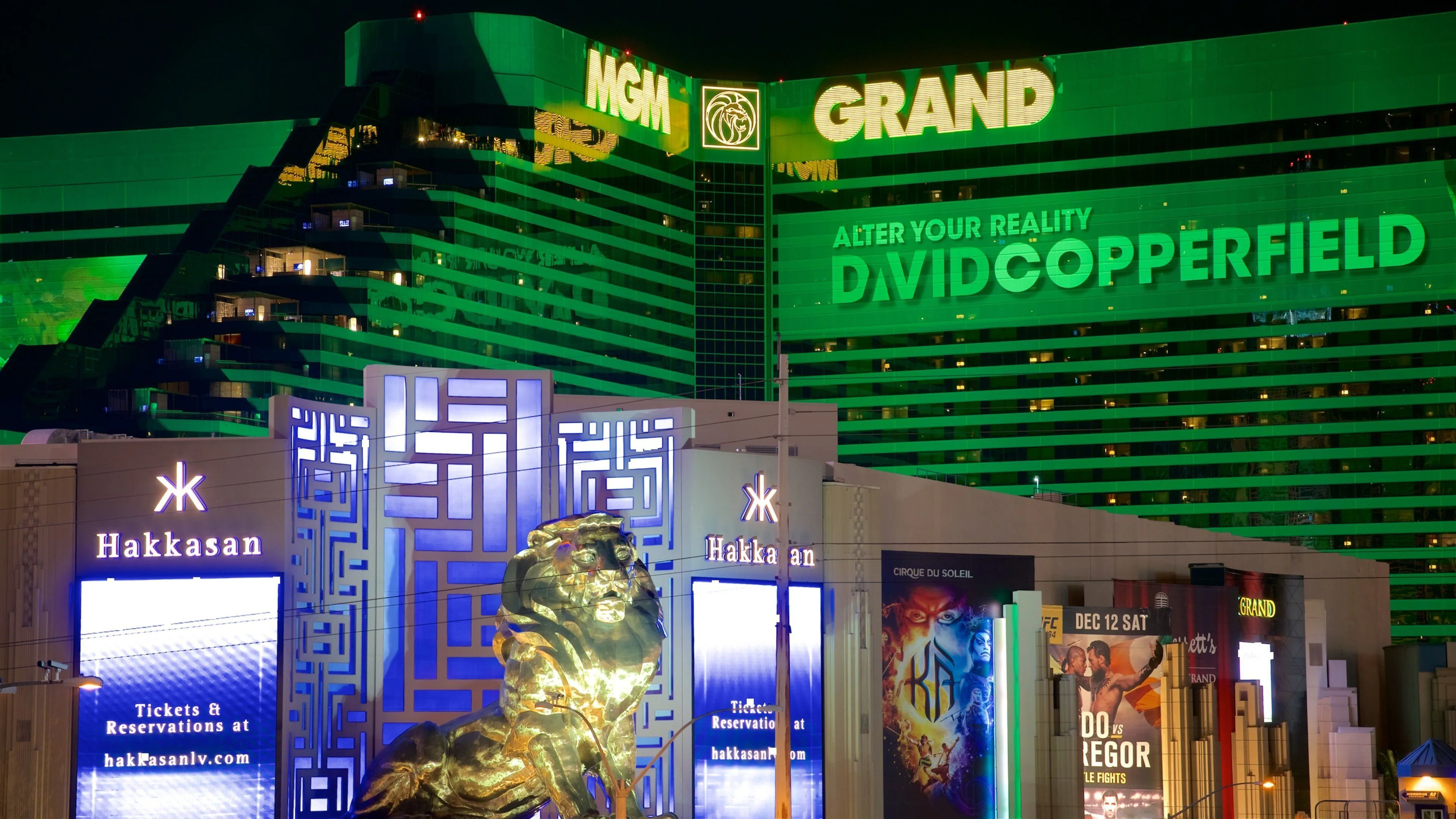
Key Planning Considerations for MGM Grand Events
- South Strip district traffic patterns and multi-use space integration
- Resort-specific timelines for setup and dismantle coordination
- Design alignment with luxury casino-resort aesthetics and branding
- Utility and infrastructure requirements within hotel-convention flows
- Stakeholder alignment across venue departments and event partners
- Strategies for attendee engagement amid entertainment distractions
- Post-event metrics evaluation tailored to resort property outcomes
Strategic Positioning in the South Las Vegas Strip Cluster
The MGM Grand Hotel and Casino forms an integral part of the South Strip cluster, offering a contrast to the Convention Center District through its emphasis on hospitality-integrated events. This district supports extended attendee stays that combine trade show activities with resort amenities, creating sustained engagement opportunities. Planning emphasizes differentiation from North Strip or Central Strip properties by focusing on the MGM Grand's capacity to host events that leverage both business infrastructure and leisure elements.
Compared to venues such as the Venetian Expo or Mandalay Bay Convention Center, the MGM Grand requires approaches that account for its direct integration with casino operations and hotel towers. This influences everything from badge policies to movement between exhibit areas and other property attractions. Authoritative coordination resources stress the value of mapping these connections during early planning stages to optimize booth placement and traffic capture.
Events at this location benefit from the cluster's overall accessibility via major roadways and airport proximity, though planners must address the specific circulation patterns unique to resort campuses. This district-level nuance helps determine whether the MGM Grand aligns with particular exhibition goals, particularly those seeking to blend industry networking with experiential brand activation.
- Integration with surrounding resort properties for cross-promotion potential
- Distinct attendee demographics drawn from leisure and business travel
- Logistical advantages from established Strip transportation links
Operational Nuances of Resort-Based Exhibition Spaces
Planning for the MGM Grand involves recognition of its multi-functional spaces that serve conference, banquet, and exhibition purposes within the larger resort footprint. Coordination efforts focus on aligning schedules with ongoing hotel and casino activities to prevent conflicts during peak periods. This requires precise documentation of all technical specifications and advance submission of plans to meet venue protocols.
Freight and material handling at such properties follows structured procedures that differ from pure convention centers. Effective resources outline the importance of understanding dock access, storage limitations, and move-in sequencing well ahead of deadlines. These details ensure exhibits can be installed efficiently without disrupting other simultaneous events at the property.
Utility provisions, including power distribution and data connections, must be mapped against the venue's existing infrastructure. Planning documents highlight the value of early audits to confirm compatibility with proposed exhibit features, whether static displays or technology-enhanced activations. This preparatory work supports smoother implementation across all event phases.
Exhibit Design Approaches for the MGM Grand Environment
Successful designs for the MGM Grand complement the property's upscale resort aesthetic while creating focal points that stand out to attendees navigating multiple attractions. Coordination emphasizes scale, sight lines, and material choices that reflect the venue's sophisticated atmosphere without clashing with surrounding architectural elements. Interactive components often perform well in this setting by drawing participation amid the property's energetic ambiance.
From modular configurations suitable for varied hall sizes to larger custom structures for ballrooms, planning considers versatility and reusability across the Las Vegas event calendar. Resources guide the selection of lighting, graphics, and structural elements that enhance brand storytelling within the specific context of a casino-resort venue. Attention to these details helps avoid common pitfalls associated with high-traffic, multi-purpose spaces.
The integration of digital elements requires careful assessment of the venue's AV capabilities and any restrictions on permanent installations. Effective planning incorporates these factors from concept stage onward, ensuring technology enhances rather than complicates the overall exhibit presence. This nuanced approach supports stronger connections with audiences familiar with Las Vegas entertainment standards.
- Balance between brand visibility and environmental harmony
- Incorporation of experiential features to counter entertainment distractions
- Selection of durable materials suited to frequent handling cycles
Timeline Management and Milestone Coordination
Comprehensive timelines for MGM Grand events begin with initial venue inquiry and extend through post-show reporting. Planning resources identify critical checkpoints including design approval, material procurement, permitting, and on-site supervision phases. Adherence to these structured schedules helps accommodate the venue's complex booking calendar and reduces last-minute complications.
Move-in and move-out windows at resort properties often align with broader operational needs, necessitating buffer periods for safety and cleanup. Coordination involves mapping these constraints against exhibit complexity to determine appropriate lead times for fabrication and shipping. Early alignment with all involved parties supports adherence to established deadlines.
Post-event breakdown follows similar precision, with emphasis on efficient removal that allows the property to transition to subsequent bookings. Planning frameworks stress documentation at each stage to facilitate reviews and inform future events at this or comparable Las Vegas venues like Green Valley Ranch or Virgin Hotels Las Vegas.
- Advance documentation submission protocols
- Sequenced vendor and contractor alignment
- Review cycles for iterative adjustments
Stakeholder Alignment and Compliance Considerations
Events at the MGM Grand require coordination among multiple internal departments and external partners, from facilities management to security and technical services. Authoritative planning identifies the value of clear communication channels established early in the process. This structured approach helps address potential overlaps between exhibition requirements and resort operations.
Regulatory compliance encompasses both city-wide Las Vegas ordinances and property-specific guidelines related to fire safety, accessibility, and labor practices. Resources provide frameworks for reviewing these standards during planning to ensure all elements meet necessary criteria before implementation. Attention to these details prevents disruptions and supports professional execution.
Health and safety protocols remain central to modern event coordination, particularly in high-occupancy resort settings. Planning incorporates current best practices for spacing, sanitation, and emergency preparedness tailored to the MGM Grand's configuration. This comprehensive view supports attendee confidence and event success.
Performance Measurement and Strategic Refinement
Post-event evaluation at venues like the MGM Grand focuses on metrics that reflect both quantitative attendance data and qualitative engagement levels within the resort context. Planning resources recommend establishing clear objectives during initial stages to enable meaningful assessment afterward. This data informs refinements for subsequent exhibitions at the property or across other Las Vegas options such as Alexis Park or Hilton Lake Las Vegas.
The unique environment of the South Strip allows for analysis of how proximity to amenities affects dwell time and interaction rates. Coordination frameworks encourage systematic tracking of these variables to build institutional knowledge over multiple events. Such insights contribute to increasingly targeted strategies that maximize return on investment.
Long-term planning considers how experiences at the MGM Grand fit within broader market participation, including comparisons to the Caesars Forum or Fontainebleau Las Vegas. Refined approaches based on prior outcomes help evolve exhibit programs to better suit the evolving demands of Las Vegas trade show audiences.
- Lead capture integration with venue technology
- Survey mechanisms for attendee feedback
- Comparative analysis against alternative district venues
Sustainability Practices in Las Vegas Resort Exhibitions
Las Vegas venues including the MGM Grand have increasingly incorporated environmental considerations into event planning. Coordination resources highlight opportunities to select reusable components, minimize single-use materials, and optimize energy consumption throughout the exhibit lifecycle. These practices align with broader industry shifts while addressing the specific operational realities of resort properties.
Material choices and construction methods can be planned to support disassembly and transport efficiency, reducing overall impact from multiple shows in the Las Vegas market. Planning documents stress the importance of documenting these choices for compliance reporting and stakeholder communication. This forward-thinking approach resonates with audiences that prioritize corporate responsibility.
Integration of digital tools to reduce printed collateral represents another avenue for sustainable coordination at the MGM Grand. When balanced with effective design, these methods maintain engagement levels while supporting environmental goals. Long-term planning incorporates evolving standards across the city's venue ecosystem.
Frequently Asked Questions About MGM Grand Event Planning
Q: How does the MGM Grand differ from the Las Vegas Convention Center for trade shows?
The MGM Grand integrates exhibition spaces within a full resort and casino environment in the South Strip cluster, creating distinct attendee flow patterns and engagement opportunities compared to the dedicated convention focus of the Las Vegas Convention Center.
Q: What are the main planning considerations unique to this venue?
Key considerations include alignment with resort operations, integration of exhibit designs with luxury aesthetics, precise timeline management around multiple property activities, and compliance with both venue-specific and city regulations.
Q: When should planning begin for an exhibit at the MGM Grand?
Planning should commence as early as possible, with initial concepts and venue inquiries starting 12 to 18 months ahead for complex events to allow sufficient time for design, approvals, and coordination across all stakeholders.
Q: How important is district location when selecting the MGM Grand?
The South Strip positioning offers specific advantages in accessibility and attendee demographics that differ from other clusters like Convention Center District or Strip North, making it suitable for events that benefit from resort hospitality integration.
Q: What role does sustainability play in MGM Grand event coordination?
Sustainability forms an important element through material selection, waste reduction, and energy-efficient designs that align with evolving Las Vegas venue standards while maintaining high-impact brand experiences.