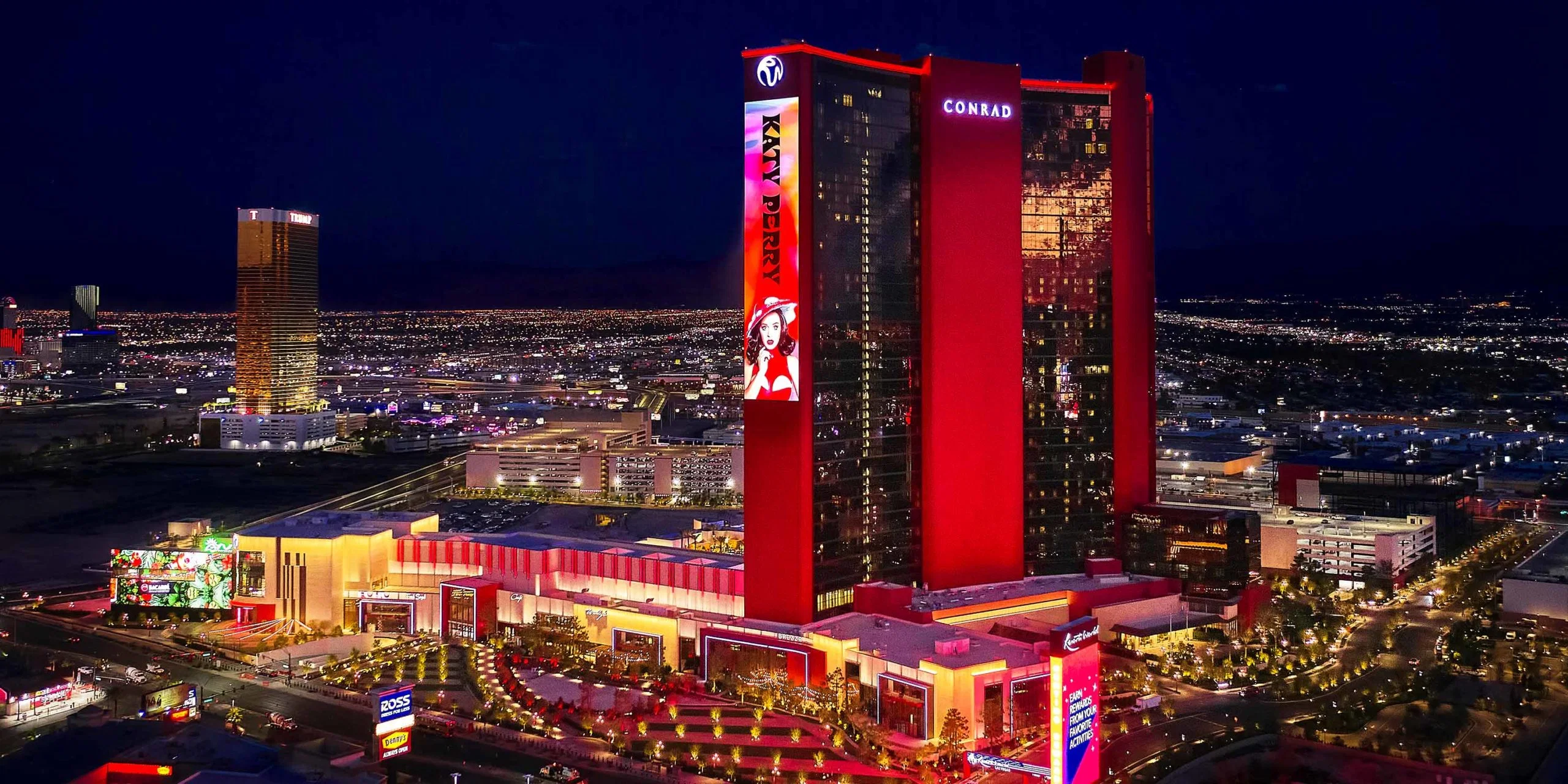
Core Planning Elements for Resorts World Las Vegas Events
- Detailed analysis of venue floor plans and spatial configurations
- Timeline development aligned with resort event calendars and shared facilities
- Design adaptation for contemporary resort aesthetics and traffic flows
- Utility and infrastructure coordination for technology-enabled exhibits
- Regulatory compliance frameworks specific to Las Vegas temporary constructions
- Budget structuring for high-visibility Strip resort environments
- Post-event evaluation methods tailored to integrated resort outcomes
Understanding the Resorts World Las Vegas Venue Environment
Resorts World Las Vegas operates as part of the Strip North cluster, where resort-based venues intersect with convention activities in a multi-use setting. This environment influences everything from initial site selection to final exhibit execution, as attendee movement often connects event spaces with adjacent hospitality, retail, and entertainment zones. Planning therefore begins with mapping these intersections to position exhibits for optimal visibility and engagement without disrupting overall resort operations.
The venue's relatively recent development brings contemporary infrastructure that supports advanced exhibit features, yet requires coordination that accounts for its integration within a larger campus. Effective strategies consider how the physical layout affects sightlines, acoustics, and material handling. Coordination resources focus on translating these attributes into actionable design briefs that maintain flexibility across varying show scales.
Unlike purely functional convention facilities, resort venues introduce ambient factors such as elevated design standards and mixed attendee demographics. This demands booth constructions that convey professionalism while inviting interaction. Our guidance stresses the value of early conceptual alignment to ensure the final build complements rather than competes with the venue's architectural language.
- Map attendee flow between convention areas and resort amenities
- Incorporate flexible components to adapt to different hall configurations
- Align design language with the venue's contemporary aesthetic standards
Strategic Booth Design for High-Impact Presentation
Exhibit design for Resorts World Las Vegas must balance visual prominence with functional efficiency, given the competitive environment of Las Vegas trade shows. Custom construction allows precise tailoring of dimensions, materials, and interactive zones to the specific square footage and ceiling parameters of assigned spaces. The process prioritizes modular approaches that facilitate efficient transport and reconfiguration across multiple events in the Las Vegas market.
Lighting schemes, digital displays, and structural graphics should be engineered to perform under the venue's ambient conditions, including potential overlap with natural light sources or surrounding resort illumination. Planning includes contingency considerations for power distribution and data connectivity, ensuring technology functions reliably throughout show hours. This level of detail helps prevent operational disruptions that could diminish return on investment.
Storage solutions, private consultation areas, and demonstration platforms require integration during the initial design phase rather than as afterthoughts. By addressing these elements systematically, exhibitors create cohesive environments that support both brand storytelling and practical lead generation. The coordination framework provided here outlines sequences for incorporating client feedback while maintaining adherence to venue guidelines.
Ultimately, designs successful at this venue often reflect an understanding of its position within the broader Las Vegas ecosystem, where events draw attendees already immersed in a high-energy hospitality setting. This context favors experiences that feel smooth rather than intrusive.
Timeline Development and Installation Coordination
Events at Resorts World Las Vegas follow schedules that integrate with the resort's overall operations, often resulting in defined move-in and move-out windows that differ from dedicated convention centers. Developing a comprehensive timeline at the outset helps sequence design finalization, material procurement, fabrication, and on-site assembly within these parameters. This prevents cascading delays that affect both budget and performance.
Installation planning must account for shared access points, security protocols, and concurrent activities typical of integrated resorts. Coordination involves establishing clear milestones for approvals, inspections, and adjustments. Resources from this planning platform include structured checklists that support systematic progress tracking across dispersed stakeholder groups.
Dismantle phases require equal attention, as efficient removal minimizes storage or shipping complications for subsequent events. By treating the entire cycle as an integrated process, exhibitors maintain control over costs and outcomes. The guidance here draws from established patterns in the Las Vegas market to help anticipate variables without relying on unverified assumptions.
- Initiate timeline development immediately following space assignment
- Incorporate review periods for venue-specific approvals
- Build in contingency windows for unexpected logistical factors
- Document each phase to refine processes for future Las Vegas events
Compliance and Regulatory Considerations in Las Vegas
All temporary constructions for trade shows in Las Vegas, including those at Resorts World, must satisfy fire safety, structural integrity, and electrical standards enforced by local authorities. Planning begins with identification of applicable codes, followed by material selection and engineering that incorporates these requirements from the conceptual stage. This proactive stance reduces the likelihood of on-site modifications that increase both time and expense.
Documentation packages, including flame certificates, engineering stamps, and installation drawings, form a critical part of the coordination process. While specific rules may evolve per event, the foundational regulations remain consistent across major Strip venues. Our role as a planning resource involves outlining these common requirements to support informed conversations with fabricators and service providers.
Environmental and accessibility considerations increasingly appear alongside traditional safety rules. Incorporating these elements during design demonstrates due diligence and can enhance brand reputation among contemporary audiences. The frameworks presented here facilitate systematic review without substituting for direct consultation with officials or event management.
Technology Integration and Interactive Exhibit Elements
Modern events at Resorts World Las Vegas frequently feature digital components that extend beyond static displays. Planning for smooth integration requires assessment of the venue's infrastructure capabilities regarding bandwidth, power availability, and connectivity redundancy. Early mapping of these factors into the construction plan ensures technology enhances rather than complicates the visitor experience.
Interactive kiosks, immersive video presentations, and data capture systems must be constructed with durability suitable for the Las Vegas show circuit. Coordination includes testing protocols and backup solutions to maintain performance if primary systems encounter issues. This preparation supports consistent engagement metrics throughout multi-day programs.
The selection of technology should always serve clearly defined exhibition objectives rather than being added for novelty. When aligned properly with overall design, these elements contribute to longer interaction times and richer data collection. Planning guidance emphasizes evaluation criteria that help determine which solutions best fit both the venue and the brand's target outcomes.
- Evaluate power and connectivity requirements during initial planning
- Design housings that maintain the exhibit's visual coherence
- Prepare operator training materials specific to the chosen technologies
Budget Optimization and ROI Measurement Frameworks
Participation in Resorts World Las Vegas events represents a significant investment that benefits from structured budget planning across design, fabrication, logistics, and activation phases. Breaking costs into transparent categories allows for informed trade-off decisions that preserve impact without unnecessary expenditure. Reusable modular components often provide efficiency for organizations with recurring Las Vegas presence.
ROI assessment begins with establishment of specific, measurable objectives before construction commences. These might include qualified lead targets, engagement duration averages, or post-event conversion benchmarks. The venue's resort setting can influence these metrics, as attendees may arrive with different expectations than at pure convention facilities.
Post-event analysis should capture both quantitative data and qualitative observations to inform refinements for subsequent programs. This iterative approach strengthens future planning and helps justify exhibition budgets to internal stakeholders. Coordination resources here include structured formats for capturing these insights systematically.
By maintaining focus on value delivery rather than isolated line items, exhibitors can achieve stronger outcomes even within competitive Strip environments. The planning methodologies outlined support this balanced perspective.
Sustainability Practices in Exhibit Construction
Sustainability has become an important consideration for events throughout Las Vegas, including those hosted at Resorts World. Material selection, construction techniques, and End of Life planning each offer opportunities to reduce environmental impact while often delivering long-term cost benefits. Modular systems that can be reconfigured for multiple uses align particularly well with repeated participation in this market.
Planning with sustainability in mind includes evaluating suppliers for responsible practices and specifying components that minimize waste during both build and dismantle phases. Many contemporary exhibitors also incorporate energy-efficient lighting and digital alternatives to traditional printed graphics. These choices can be highlighted within the exhibit itself to reinforce brand values.
The evolving expectations of both organizers and attendees make sustainability a practical element of strategic planning rather than an afterthought. Coordination frameworks help integrate these considerations at the appropriate project stages, ensuring they enhance rather than constrain creative possibilities.
- Prioritize reusable and recyclable materials where specifications allow
- Calculate total lifecycle impact during the design review process
- Document sustainable practices for internal reporting and marketing
Frequently Asked Questions About Planning for Resorts World Las Vegas
Q: How far in advance should exhibit planning begin for Resorts World Las Vegas events?
Complex custom exhibits typically benefit from initiation six to twelve months prior to show dates. This timeframe allows for thorough design development, regulatory reviews, fabrication, and coordination of all necessary elements within the venue's operational calendar.
Q: What differentiates planning for resort venues like Resorts World from dedicated convention centers?
Resort properties integrate event spaces with hospitality and entertainment functions, creating unique traffic patterns and scheduling constraints. This requires designs and timelines that account for shared facilities and a mixed audience experience not typically found in standalone convention halls.
Q: Are there specific regulations that apply to booth construction at this venue?
Exhibits must comply with Las Vegas fire marshal requirements, structural safety standards, and electrical codes. While core regulations remain consistent, individual events may add specific guidelines that should be verified directly with organizers during the planning phase.
Q: How can technology be effectively integrated into exhibits at Resorts World Las Vegas?
Successful integration starts with assessment of the venue's power and connectivity infrastructure. Designs should incorporate tested, reliable solutions that support brand objectives while including contingency measures to ensure uninterrupted performance throughout the event.
Q: What metrics best indicate success for trade shows at resort properties?
Effective metrics combine quantitative data such as qualified leads and engagement duration with qualitative feedback on brand perception. The specific mix should be established during initial planning to align with individual exhibition goals within the resort environment.
Q: Does sustainable construction affect costs for Las Vegas events?
While initial investment in modular and reusable systems may appear higher, these approaches frequently reduce long-term expenses through repeated use across multiple events. Proper planning helps balance sustainability objectives with overall budget parameters.