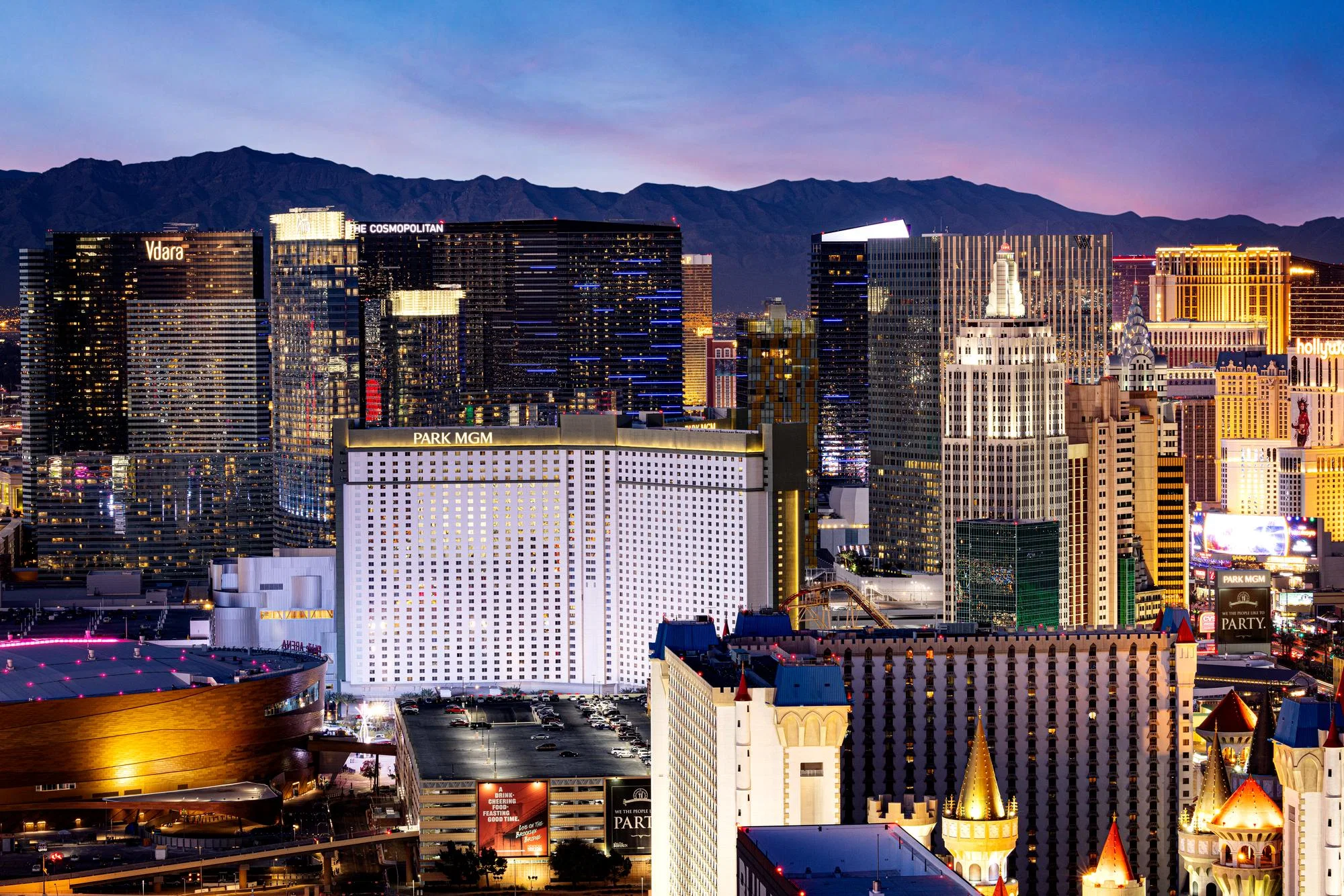
Core Planning Elements for Park MGM Las Vegas
- Strip South cluster positioning and differentiation
- Venue layout analysis and spatial constraints
- Operational timelines for resort-based events
- Attendee traffic flow and engagement tactics
- Technology infrastructure utilization
- Budget frameworks and ROI measurement
- Sustainability integration in exhibit strategy
Positioning Park MGM Las Vegas Within the Las Vegas Venue Landscape
Park MGM Las Vegas is situated in the Strip South cluster, offering a differentiated alternative to the Las Vegas Convention Center in the Convention Center District or larger-scale properties in Strip Central. This positioning allows exhibitors to capitalize on high-visibility resort traffic while maintaining a more curated, upscale atmosphere conducive to meaningful business conversations. Planning must account for how this district context influences attendee demographics, typically including decision-makers who combine professional commitments with the resort's leisure offerings.
The property's rebranding and facility updates have introduced modern design elements that affect exhibit aesthetics and functionality. Open layouts and contemporary interiors favor booth concepts that complement rather than compete with the architectural environment. Coordination resources stress the importance of aligning display scale, materials, and visual language with these characteristics to create smooth integration that enhances rather than distracts from the overall event experience.
Compared to venues like the Venetian Expo or Fontainebleau Las Vegas, Park MGM presents unique operational rhythms tied to its resort operations. These include synchronized scheduling with hotel guest flows and entertainment programming. Effective planning frameworks incorporate these interdependencies from the outset, creating buffers for potential overlaps and identifying opportunities where the venue's hospitality infrastructure can extend brand engagement beyond traditional exhibit hours.
Understanding Operational Details and Venue Specifications
Thorough venue specification review forms the foundation of successful Park MGM Las Vegas event coordination. Key factors include available square footage in meeting and ballroom configurations, ceiling clearance measurements, and access to power and data infrastructure. These elements directly determine viable exhibit footprints and structural possibilities, requiring planners to match design ambitions with physical realities early in the process.
Loading dock access, freight elevator dimensions, and move-in timelines reflect the operational patterns typical of integrated Strip South properties. These details differ notably from standalone convention facilities, demanding precise scheduling that accounts for shared resort resources. Planning documentation should capture these constraints comprehensively to prevent bottlenecks during setup and dismantle phases common to Las Vegas resort venues.
The venue's location within the MGM Resorts portfolio creates additional layers of coordination related to cross-property services and unified security protocols. District-level awareness helps planners anticipate how proximity to neighboring Strip South locations might influence attendee movement, badge policies, and complementary programming that could impact exhibit visibility and traffic.
By treating these specifications as strategic inputs rather than afterthoughts, exhibitors develop more resilient plans that adapt to the specific rhythms of Park MGM while maintaining consistency with broader Las Vegas event strategies.
- Document ceiling heights and structural limitations before finalizing designs
- Map all utility access points against proposed booth layouts
- Incorporate resort-specific security and access protocols into timelines
- Evaluate shared space usage to minimize audio or visual conflicts
Custom Exhibit Design Strategies for the Park MGM Environment
Exhibit design at Park MGM Las Vegas benefits from alignment with the property's contemporary aesthetic and guest expectations. Clean architectural lines and sophisticated color palettes suggest booth concepts emphasizing elegance, interactivity, and brand storytelling rather than oversized spectacle. Modular systems that adapt to varying space allocations provide operational flexibility across multiple Las Vegas engagements.
Interactive elements and experiential components perform particularly well given the venue's blend of business and leisure influences. Designs that facilitate product demonstrations, consultation areas, or technology-enabled engagements should consider sight lines from primary walkways and adjacent programming to maximize capture rates. This nuanced approach transforms standard displays into destination points within the event space.
Material selection plays a critical operational role, balancing visual impact with transport efficiency and compliance requirements. Lightweight, sustainable components that assemble quickly reduce logistical complexity in the time-sensitive environment of Strip resort events. Planning coordination ensures these design decisions support both immediate event objectives and longer-term reuse potential across other market venues.
Traffic Flow Optimization and Audience Engagement Tactics
Attendee movement patterns at Park MGM Las Vegas reflect its resort configuration, with traffic influenced by proximity to guest elevators, dining outlets, and entertainment venues. Strategic booth placement planning leverages these natural flows while accounting for peak periods tied to session breaks and meal times. Coordination frameworks help map these patterns to position key messaging and interaction zones for maximum exposure.
Engagement tactics should acknowledge the sophisticated expectations of Strip South event audiences, who often balance multiple priorities during their Las Vegas visit. Focused demonstrations, targeted consultations, and efficient lead capture processes respect attendee time while delivering memorable brand interactions. Differentiation emerges through experiences that connect directly to the venue's upscale character.
Measurement protocols extending beyond basic lead counts to include engagement quality and follow-up effectiveness provide more actionable insights. These metrics, when tracked consistently, inform refinements for future events at Park MGM or comparable properties like Virgin Hotels Las Vegas and Alexis Park All Suite Resort.
Pre-event simulation of traffic scenarios and activity scheduling helps refine these elements, creating exhibits that function effectively within the specific operational context of this Las Vegas Strip South venue.
- Analyze session schedules against natural traffic corridors
- Design activity zones that respect attendee time constraints
- Implement digital tools for real-time engagement tracking
- Develop follow-up sequences calibrated to event outcomes
Technology Infrastructure and Hybrid Event Coordination
Park MGM Las Vegas maintains robust technology infrastructure supporting both in-person and hybrid exhibition formats. Planning teams should assess available bandwidth, WiFi coverage, and AV integration points during initial site evaluation phases. These capabilities enable smooth incorporation of digital displays, live streaming, and real-time data collection that enhance rather than complicate the physical exhibit presence.
Successful integration requires early coordination to align technical requirements with venue parameters and event organizer specifications. This includes confirming power specifications for high-demand equipment and planning cable management within the aesthetic constraints of the resort spaces. Operational foresight prevents technical disruptions that could undermine attendee perceptions.
Hybrid components extend reach beyond the physical venue, allowing remote participation that complements the Strip South location's accessibility. Planning resources emphasize creating unified experiences where digital and physical elements reinforce each other, maximizing the investment in both technology and design.
As Las Vegas continues evolving as a technology-forward market, staying current with Park MGM's infrastructure developments allows exhibitors to maintain competitive advantage through thoughtful implementation.
Budget Planning, Timelines, and Resource Allocation
Comprehensive budgeting for Park MGM Las Vegas events encompasses design, fabrication, logistics coordination, technology integration, and measurement tools. The resort context introduces variables related to accommodations, hospitality, and ancillary services that must be modeled accurately. Early financial frameworks that account for these elements prevent scope creep and support realistic ROI projections.
Timeline development should incorporate the specific operational cadences of Strip South venues, including advance approval windows, installation windows, and dismantle constraints. Building appropriate buffers for unforeseen variables common to Las Vegas event calendars creates more resilient plans that maintain quality under pressure.
Resource allocation decisions benefit from clear prioritization based on event objectives and venue characteristics. Whether emphasizing experiential elements, technology, or staff presence, these choices should align with the differentiated audience and environment Park MGM provides compared to the Las Vegas Convention Center or Westgate Las Vegas Resort and Casino.
Post-event evaluation structured around predefined KPIs completes the planning cycle, generating insights that compound value across successive Las Vegas market activities.
- Build comprehensive budgets incorporating all venue-related variables
- Establish timeline milestones with coordination checkpoints
- Define success metrics before event execution begins
- Document lessons learned for application across multiple venues
Sustainability Practices and Long-Term Event Strategy
Sustainability considerations have become integral to planning at forward-thinking Las Vegas venues including Park MGM. Material choices, waste reduction strategies, and energy-efficient technologies align with evolving attendee expectations and industry standards. Coordination resources can outline frameworks for implementing these practices without compromising design impact or operational efficiency.
Longer-term strategy development looks beyond single events to how Park MGM participation fits within broader market presence. The venue's Strip South position offers particular advantages for brands seeking consistent exposure within the resort ecosystem while varying activation approaches across different properties and districts.
This strategic perspective incorporates regulatory trends, technology advancements, and audience preference shifts observed across the Las Vegas landscape. By maintaining detailed documentation and refining approaches based on outcomes, exhibitors build cumulative advantage in one of the world's most competitive event markets.
Frequently Asked Questions About Park MGM Las Vegas Planning
Q: How does Park MGM Las Vegas differ from Convention Center District venues in planning requirements?
Park MGM emphasizes resort-integrated operations, attendee flow from hospitality areas, and mid-scale event dynamics within the Strip South cluster. This contrasts with the larger infrastructure and dedicated exhibition focus of Convention Center District properties, requiring distinct coordination approaches for traffic, amenities, and scheduling.
Q: When should planning begin for an exhibit at Park MGM Las Vegas?
Strategic coordination typically starts 8 to 12 months in advance to allow thorough venue analysis, design development, regulatory alignment, and integration with resort programming. Earlier planning provides advantage in securing optimal space and resources.
Q: What technology considerations are unique to Park MGM Las Vegas?
The venue's modern infrastructure supports robust bandwidth, AV integration, and hybrid capabilities within its resort configuration. Planning should verify specific power, connectivity, and placement options early to ensure smooth incorporation with physical exhibit elements.
Q: How can exhibitors optimize traffic flow at this Strip South venue?
Analysis of resort-specific movement patterns, session timing, and proximity to amenities allows strategic positioning and activity scheduling. Coordination frameworks help map these elements to create natural engagement opportunities within the property's operational rhythms.
Q: What role does sustainability play in Park MGM Las Vegas event coordination?
Sustainable material selection, waste minimization, and energy-efficient technologies align with venue expectations and attendee values. These practices can be integrated into planning without sacrificing impact when addressed during initial design and logistics phases.
Q: How does district-level planning enhance outcomes at Park MGM Las Vegas?
Understanding Strip South characteristics versus other clusters informs audience targeting, competitive differentiation, and cross-venue strategies. This nuanced approach creates more effective coordination that leverages the specific advantages of the resort's location and environment.